Welcome to WUXI DAHONG HYDRAULIC PNEUMENT CO.,LTD
WhatsApp: 13665121168 Email: shaominjiao@wxdahong.com


What is the most common failure on a hydraulic cylinder?
Release Time :
2025-02-28
The Role of Hydraulic Cylinders in Industrial Applications
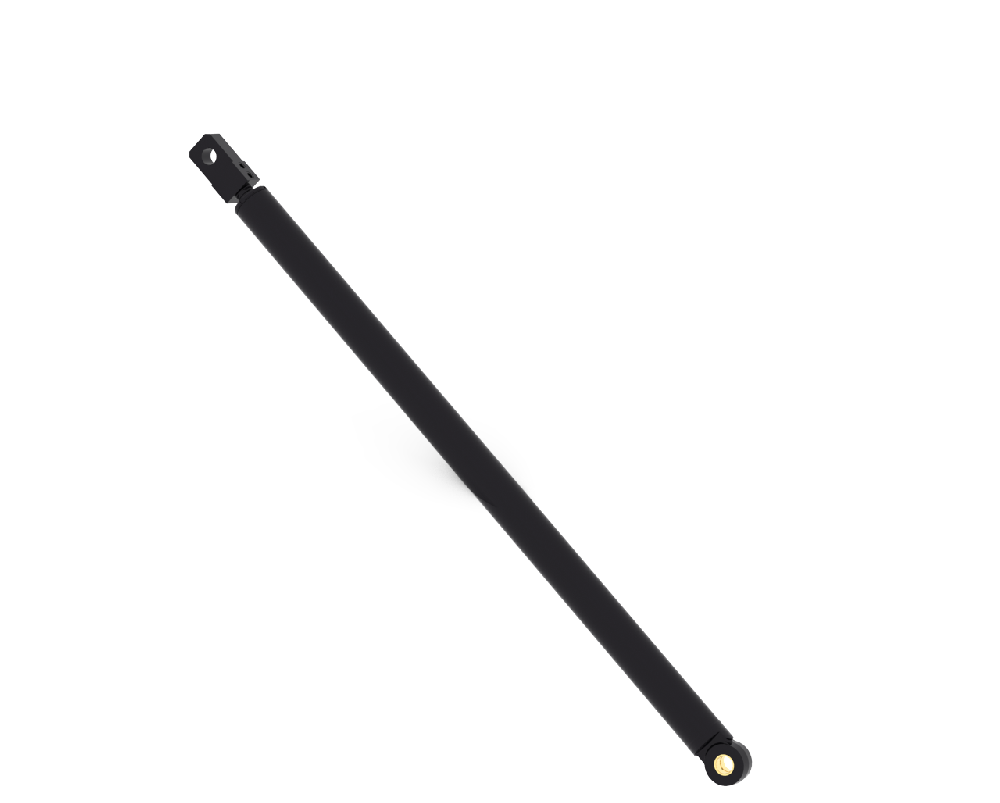
Hydraulic cylinders are the workhorses of many industrial systems, providing the force required to perform heavy-duty tasks. They consist of a cylindrical barrel, piston, piston rod, and seals, all of which work together to produce linear motion. Despite their rugged design, hydraulic cylinders operate under high pressure and extreme conditions, making them susceptible to various types of failures. Prompt identification and resolution of these issues is critical to ensuring the life and reliability of your equipment.
The Most Common Failures in Hydraulic Cylinders
The most common failure in hydraulic cylinders is seal leakage. Seals are key components that prevent hydraulic fluid from leaking and contaminants from entering the system. When seals fail, a host of problems can result, including reduced efficiency, pressure loss, and damage to other components.
Causes of Seal Leakage:
1. Wear: Over time, seals degrade due to constant friction and high-pressure exposure.
2. Contamination: Dirt, debris, or metal particles in the hydraulic fluid can damage seals and cause leaks.
3. Improper Installation: Improperly installed seals may not fit properly, leading to premature failure.
4. High Temperature: Excessive heat can cause seals to harden, crack, or lose their elasticity.
5. Chemical degradation: Incompatible hydraulic fluids or exposure to harsh chemicals can deteriorate the seal material.
Other common failures in hydraulic cylinders
While seal leakage is the most common problem, hydraulic cylinders can also fail in other types of ways, including:
1. Bent or damaged rods:
Cause: Overload, misalignment, or external impact can bend or damage the piston rod.
Impact: Bent rods can cause uneven wear on the seals and cylinder barrels, leading to further damage.
2. Damaged cylinder barrels:
Cause: Contamination or improper maintenance can cause scratches, pitting, or corrosion inside the cylinder barrel.
Impact: Damaged cylinder barrels can compromise the integrity of the seal and reduce the performance of the cylinder.
3 Piston failures:
Cause: Wear, corrosion, or excessive pressure can damage the piston.
Impact: Damaged pistons can cause uneven force distribution and reduced efficiency.
4. Internal leakage:
Cause: Worn piston seals or damaged cylinder barrels can cause internal leakage of hydraulic fluid.
Impact: Internal leakage can reduce the force output and overall performance of the cylinder.
How to Prevent Hydraulic Cylinder Failures
Preventing hydraulic cylinder failures requires a proactive approach to maintenance and operations. Here are some key strategies:
1. Regular Inspection: Regularly inspect seals, rods, and barrels for signs of wear, damage, or contamination.
2. Proper Installation: Ensure seals and other components are properly installed to avoid premature failure.
3. Contamination Control: Use high-quality hydraulic fluid and keep the system clean to prevent debris from entering.
4. Temperature Management: Monitor and control operating temperatures to prevent seal degradation.
5. Load Management: Avoid overloading the cylinder to prevent piston rod bending or damage.
Conclusion
Hydraulic cylinders are essential in many industrial applications, but their performance and lifespan depend on proper maintenance and timely intervention. Leaking seals are the most common failure, but issues such as bent rods, barrel damage, and piston failure can also disrupt operations. By understanding the causes of these failures and implementing preventive measures, operators can ensure the reliability and efficiency of their hydraulic systems. As industries continue to rely on hydraulic cylinders for heavy lifting and precision tasks, addressing these common failures will continue to be a critical aspect of equipment management. When properly maintained, hydraulic cylinders provide consistent performance, minimizing downtime and maximizing productivity.
RELATED NEWS
2026-03-31
Why Is Predictive Maintenance Gaining Traction for Hydraulic Systems?
Predictive maintenance is rapidly gaining traction in the management of hydraulic systems due to its ability to reduce unplanned downtime, extend equipment life, and optimize operational efficiency. Hydraulic systems, which rely on pressuri···
2026-03-31
How to Improve the Efficiency of a Hydraulic System?
Improving the efficiency of a hydraulic system is essential for reducing energy consumption, lowering operational costs, and extending the lifespan of equipment. Hydraulic systems are widely used in industries like manufacturing, constructi···
2026-03-24
Why Is Heat Resistance Critical in Metallurgical Electric Furnace Hydraulic Cylinders?
Heat resistance is a critical property for hydraulic cylinders used in metallurgical electric furnaces. These cylinders are key components in controlling furnace doors, tilting mechanisms, and other heavy operations, often operating in envi···
2026-03-24
How Does a Metallurgical Electric Furnace Hydraulic Cylinder Handle High Heat?
In metallurgical processes, electric furnaces operate at extremely high temperatures, often exceeding 1,500°C. Hydraulic cylinders used in these furnaces play a critical role in controlling doors, tilting mechanisms, or other moving parts,···
2026-03-17
How Do Hydraulic Cylinders Improve Safety in Railway Equipment Operations?
Hydraulic cylinders play a crucial role in enhancing safety in railway equipment operations. These devices convert hydraulic energy into linear mechanical force, enabling precise and reliable movement of heavy railway machinery, such as tra···
2026-03-17
How to Maintain Hydraulic Cylinders for Railway Equipment?
Hydraulic cylinders are critical components in railway equipment, enabling smooth movement and heavy lifting in applications such as track maintenance machines, train doors, and suspension systems. Proper maintenance ensures safety, extends···

GET YOUR FREE QUOTE
We will contact you within 24 hours. ( WhatsApp/facebook:13665121168)