Welcome to WUXI DAHONG HYDRAULIC PNEUMENT CO.,LTD
WhatsApp: 13665121168 Email: shaominjiao@wxdahong.com


What is the external source of hydraulic power?
Release Time :
2025-02-12
The generic name for an external hydraulic power source is a "hydraulic power unit". It is sometimes also called a hydraulic pump or hydraulic power pack. A hydraulic power unit is a compact assembly that typically includes a hydraulic pump, motor, and oil tank. Hydraulic power is generated by a combination of oil flow and pressure. Oil flow and pressure are generated by the hydraulic pump and transmitted through hoses or pipes and control valves to the hydraulic motor or cylinder that performs the work.
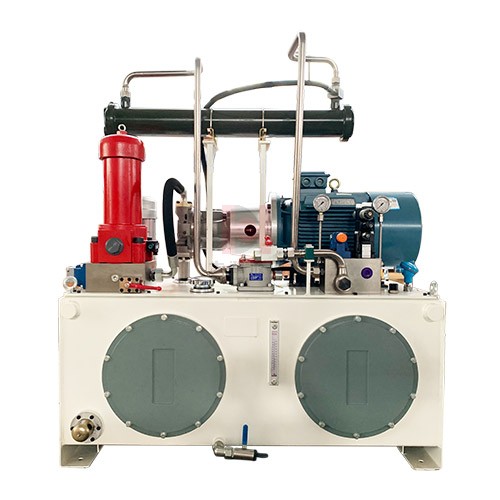
One of the main advantages of hydraulic systems is the ability to transmit large amounts of power from a remote power source (electric motor or internal combustion engine) to a compact actuator.
This power transmission method is fully demonstrated on excavators, where the hydraulic cylinder is mounted on the boom and the diesel engine and pump are mounted behind the cab. All functions can be controlled by the operator in the cab.
A hydraulic power unit combines hydraulic components to supply fluid to the hydraulic system at the required pressure and flow. A hydraulic power unit typically consists of a motor, oil tank, valves, and pump to power the hydraulic system.
There are many options and configurations available for hydraulic power packs, so it is important to understand how to select the correct power pack or assembly. First, determine the required nominal power based on the required flow and pressure, which depends on the force that needs to be applied.
What does a hydraulic power unit consist of?
A hydraulic power unit is a self-contained system that consists primarily of an electric motor, a hydraulic pump, and a reservoir. It converts mechanical energy into hydraulic energy—a combination of flow and pressure used by various machines and equipment. Let’s break down the components that make up these dynamic units:
Motor: This component drives the equipment’s pump.
Hydraulic pump: The heart of the equipment, pumping hydraulic fluid from the tank to the system.
Reservoir: A container that holds hydraulic fluid.
Accumulator: This component stores hydraulic energy for later use or to smooth out pulsations.
Filters: Remove contaminants from the hydraulic fluid to protect the system and ensure efficient operation.
Coolers and heaters: Regulate the temperature of the hydraulic fluid.
Valves: Direct the flow of hydraulic fluid and control system pressure.
How does a hydraulic power unit work?
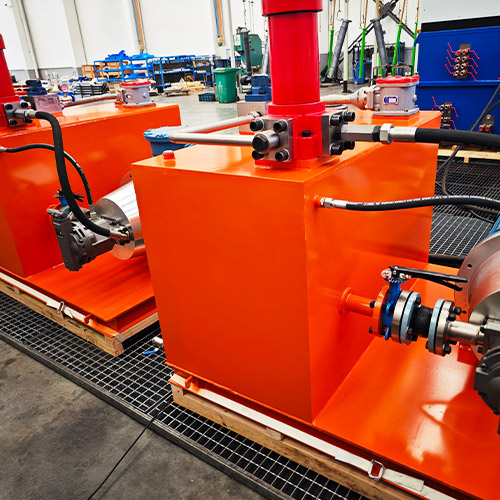
The function of a hydraulic power unit centers on the principle of hydraulic force. When the motor is activated, it drives the pump, which then pushes hydraulic fluid from the reservoir into the system. This fluid travels through a series of valves and hoses to the hydraulic actuator, which then performs the required work. After delivering energy to the actuator, the fluid circulates back to the reservoir where it is filtered and cooled or heated, and the cycle repeats.
RELATED NEWS
2026-03-31
Why Is Predictive Maintenance Gaining Traction for Hydraulic Systems?
Predictive maintenance is rapidly gaining traction in the management of hydraulic systems due to its ability to reduce unplanned downtime, extend equipment life, and optimize operational efficiency. Hydraulic systems, which rely on pressuri···
2026-03-31
How to Improve the Efficiency of a Hydraulic System?
Improving the efficiency of a hydraulic system is essential for reducing energy consumption, lowering operational costs, and extending the lifespan of equipment. Hydraulic systems are widely used in industries like manufacturing, constructi···
2026-03-24
Why Is Heat Resistance Critical in Metallurgical Electric Furnace Hydraulic Cylinders?
Heat resistance is a critical property for hydraulic cylinders used in metallurgical electric furnaces. These cylinders are key components in controlling furnace doors, tilting mechanisms, and other heavy operations, often operating in envi···
2026-03-24
How Does a Metallurgical Electric Furnace Hydraulic Cylinder Handle High Heat?
In metallurgical processes, electric furnaces operate at extremely high temperatures, often exceeding 1,500°C. Hydraulic cylinders used in these furnaces play a critical role in controlling doors, tilting mechanisms, or other moving parts,···
2026-03-17
How Do Hydraulic Cylinders Improve Safety in Railway Equipment Operations?
Hydraulic cylinders play a crucial role in enhancing safety in railway equipment operations. These devices convert hydraulic energy into linear mechanical force, enabling precise and reliable movement of heavy railway machinery, such as tra···
2026-03-17
How to Maintain Hydraulic Cylinders for Railway Equipment?
Hydraulic cylinders are critical components in railway equipment, enabling smooth movement and heavy lifting in applications such as track maintenance machines, train doors, and suspension systems. Proper maintenance ensures safety, extends···

GET YOUR FREE QUOTE
We will contact you within 24 hours. ( WhatsApp/facebook:13665121168)