Welcome to WUXI DAHONG HYDRAULIC PNEUMENT CO.,LTD
WhatsApp: 13665121168 Email: shaominjiao@wxdahong.com


Upgrade of differential hydraulic cylinder technology to improve operational efficiency
Release Time :
2024-07-04
With the continuous development of industrial technology, hydraulic transmission systems, as an important component of modern mechanical equipment, are crucial for improving operational efficiency through performance optimization and technological innovation. Among them, differential hydraulic cylinder, as an efficient hydraulic transmission component, is demonstrating unprecedented operational capabilities through technological upgrades, bringing efficiency leaps to many industrial fields.
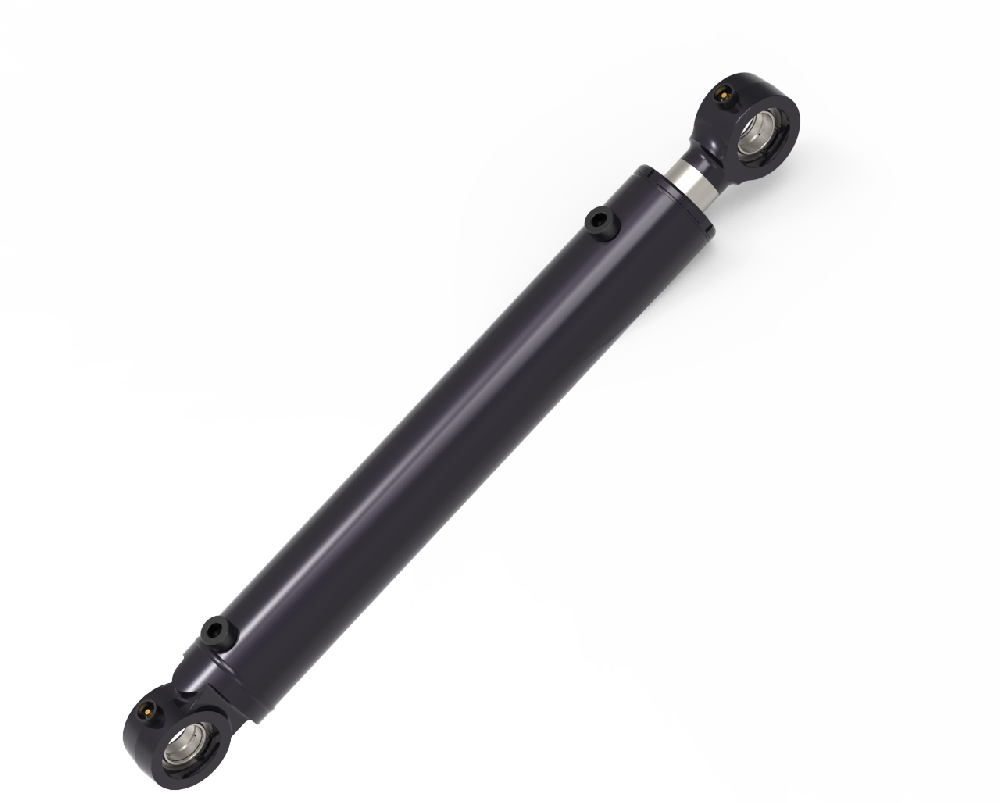
1、 Overview of Differential Hydraulic Cylinder Technology
Differential hydraulic cylinder, as the name suggests, is a hydraulic component that achieves specific functions through differential connections between two or more hydraulic cylinders. This connection method enables the thrust of the active cylinder to be converted into the tension or thrust of the passive cylinder, thereby achieving more flexible and efficient power transmission. Differential hydraulic cylinders are widely used in various fields such as machine tools, metallurgy, printing, etc. The stability of their performance and work efficiency directly affect the overall operational efficiency of the equipment.
2、 Technical upgrade content
In order to meet the growing industrial demand, differential hydraulic cylinders have undergone technological upgrades in the following areas:
Material and process optimization: By using new materials with high strength and wear resistance, combined with advanced manufacturing processes, the compressive and impact resistance of differential hydraulic cylinders have been improved, ensuring their stable operation under harsh working conditions.
Intelligent control system: Integrate advanced sensors and PLC control system to achieve intelligent control of differential hydraulic cylinders. By monitoring and adjusting the pressure, flow rate and other parameters of the hydraulic system in real-time, the power transmission efficiency is optimized and energy consumption is reduced.
Structural design innovation: Innovate the structure of differential hydraulic cylinders for different application scenarios. For example, adopting modular design facilitates users to quickly assemble and adjust according to their actual needs; Introducing a balancing system to achieve automatic balancing of the hydraulic system and reduce the incidence of malfunctions.
Energy efficiency improvement: By optimizing the oil circuit design and component selection of the hydraulic system, the internal energy loss of the system is reduced, and the energy conversion efficiency is improved. At the same time, energy-saving hydraulic components and control systems are adopted to further reduce energy consumption and achieve green production.
3、 Technological upgrades enhance operational efficiency
After the upgrade of differential hydraulic cylinder technology, it has shown the following advantages in improving work efficiency:
Quick response: The intelligent control system enables the differential hydraulic cylinder to quickly respond to operating instructions, achieve rapid action and positioning, and shorten the work cycle.
Precision control: By monitoring and adjusting the parameters of the hydraulic system in real-time, differential hydraulic cylinders can achieve more precise control, improve operational accuracy and stability.
Efficient and energy-saving: The optimized oil circuit design and energy-saving hydraulic components make the differential hydraulic cylinder consume less energy during operation, improving overall energy efficiency.
Enhanced reliability: High strength, high wear resistance materials and advanced manufacturing processes enable differential hydraulic cylinders to have higher reliability and durability, reducing failure rates and maintenance costs.
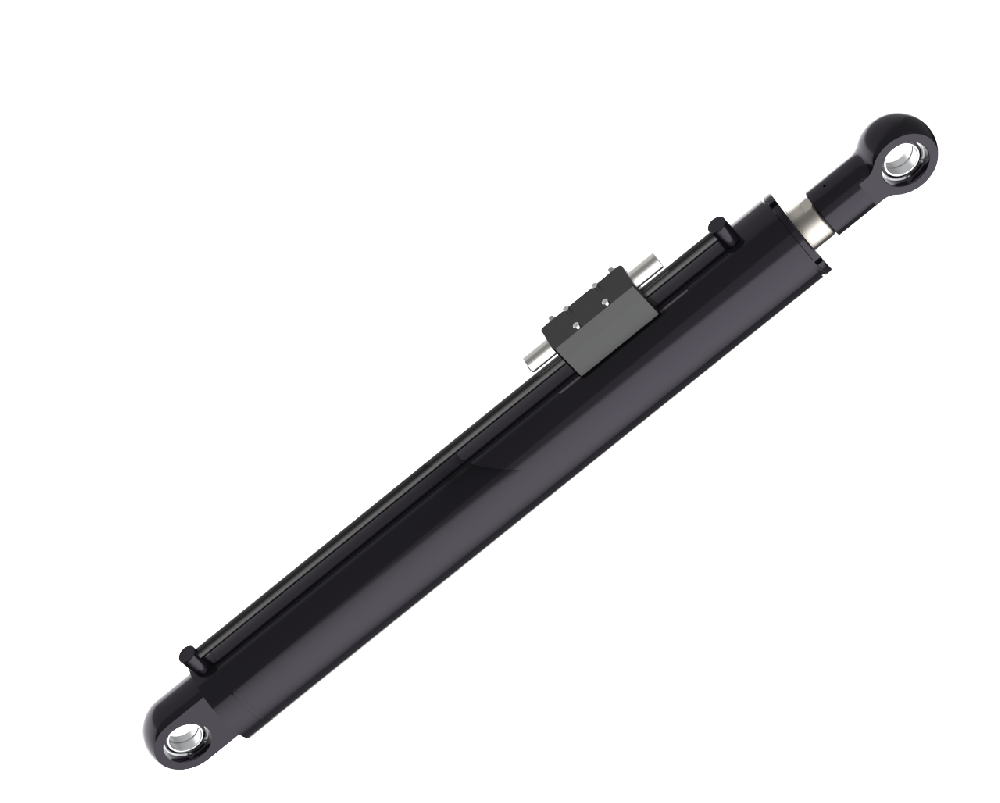
4、 Conclusion and Outlook
After the upgrade of differential hydraulic cylinder technology, its performance has been significantly improved, bringing a leap in operational efficiency to many industrial fields. With the continuous progress of technology and the growing market demand, differential hydraulic cylinders will demonstrate their unique advantages in more fields. In the future, differential hydraulic cylinders will continue to develop towards intelligence, efficiency, and greenness, making greater contributions to the sustainable development of the industrial sector.
RELATED NEWS
2026-03-31
Why Is Predictive Maintenance Gaining Traction for Hydraulic Systems?
Predictive maintenance is rapidly gaining traction in the management of hydraulic systems due to its ability to reduce unplanned downtime, extend equipment life, and optimize operational efficiency. Hydraulic systems, which rely on pressuri···
2026-03-31
How to Improve the Efficiency of a Hydraulic System?
Improving the efficiency of a hydraulic system is essential for reducing energy consumption, lowering operational costs, and extending the lifespan of equipment. Hydraulic systems are widely used in industries like manufacturing, constructi···
2026-03-24
Why Is Heat Resistance Critical in Metallurgical Electric Furnace Hydraulic Cylinders?
Heat resistance is a critical property for hydraulic cylinders used in metallurgical electric furnaces. These cylinders are key components in controlling furnace doors, tilting mechanisms, and other heavy operations, often operating in envi···
2026-03-24
How Does a Metallurgical Electric Furnace Hydraulic Cylinder Handle High Heat?
In metallurgical processes, electric furnaces operate at extremely high temperatures, often exceeding 1,500°C. Hydraulic cylinders used in these furnaces play a critical role in controlling doors, tilting mechanisms, or other moving parts,···
2026-03-17
How Do Hydraulic Cylinders Improve Safety in Railway Equipment Operations?
Hydraulic cylinders play a crucial role in enhancing safety in railway equipment operations. These devices convert hydraulic energy into linear mechanical force, enabling precise and reliable movement of heavy railway machinery, such as tra···
2026-03-17
How to Maintain Hydraulic Cylinders for Railway Equipment?
Hydraulic cylinders are critical components in railway equipment, enabling smooth movement and heavy lifting in applications such as track maintenance machines, train doors, and suspension systems. Proper maintenance ensures safety, extends···

GET YOUR FREE QUOTE
We will contact you within 24 hours. ( WhatsApp/facebook:13665121168)