Welcome to WUXI DAHONG HYDRAULIC PNEUMENT CO.,LTD
WhatsApp: 13665121168 Email: shaominjiao@wxdahong.com


Technical points and process analysis of welding high-pressure oil cylinders
Release Time :
2024-07-03
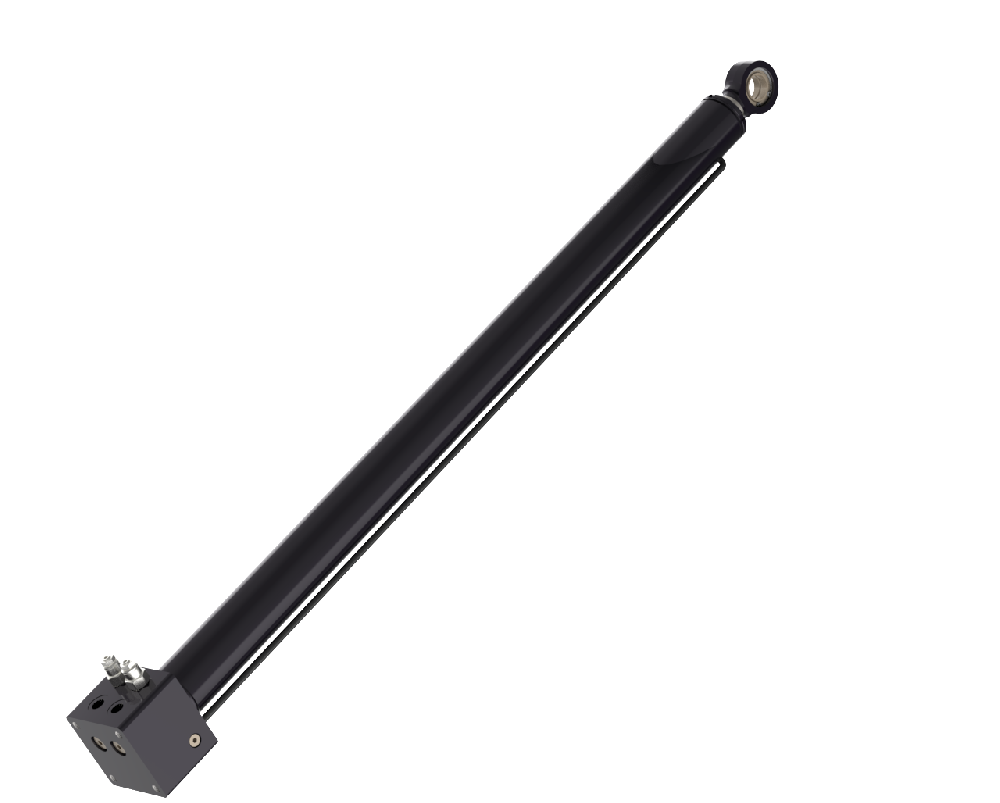
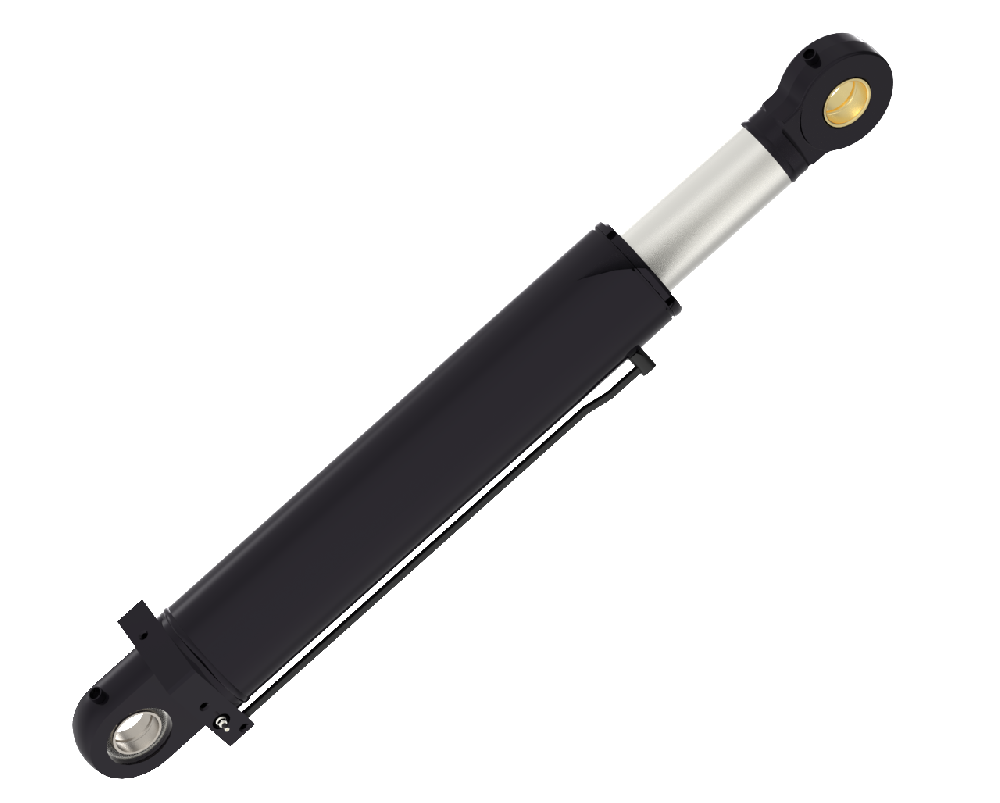
As a key component in engineering machinery, the stability and reliability of high-pressure oil cylinders directly affect the operational efficiency and safety of the entire equipment. In the manufacturing process of high-pressure oil cylinders, welding technology is a crucial link. This article will conduct an in-depth analysis of the technical points and processes for welding high-pressure oil cylinders.
1、 Technical points
Material selection: The welding material for high-pressure oil cylinders must meet the requirements of high strength, high toughness, and good welding performance. Common materials include low alloy high-strength steel such as Q345 and Q420. When selecting welding materials, full consideration should be given to the chemical composition, mechanical properties, and weldability of the base material to ensure the compatibility between the weld and the base material.
Welding methods: There are various welding methods for high-pressure oil cylinders, such as argon arc welding, gas shielded welding, manual arc welding, etc. When selecting welding methods, comprehensive consideration should be given to factors such as the structure, size, material, and production conditions of the oil cylinder. For important welds, it is recommended to use high-quality welding methods such as gas shielded welding or argon arc welding.
Welding parameters: Welding parameters are the key factors affecting welding quality. Mainly including welding current, voltage, welding speed, electrode spacing, etc. During the welding process, welding parameters should be adjusted reasonably based on factors such as the thickness of the base material, welding method, and groove form to ensure full fusion and depth of the weld.
Welding process: The welding process of high-pressure oil cylinders includes preparation work before welding, control during the welding process, and post-welding treatment. Before welding, the oil cylinder should be thoroughly cleaned and inspected to ensure that the welding area is free of impurities such as oil stains and rust. During the welding process, the welding quality should be strictly controlled to avoid defects such as porosity and slag inclusion. After welding, necessary treatments such as polishing and polishing should be carried out on the weld seam to improve its appearance quality and corrosion resistance.
2、 Process analysis
Preparation before welding: Before welding, the oil cylinder should be strictly inspected to ensure that its structure and dimensions meet the design requirements. At the same time, the welding area should be thoroughly cleaned, including mechanical cleaning and chemical cleaning, to remove impurities such as oil stains and rust. In addition, welding materials should be dried to prevent defects such as porosity or slag inclusion during the welding process
Control during welding process: During the welding process, welding parameters should be strictly controlled to ensure sufficient fusion and depth of the weld seam. Meanwhile, attention should be paid to the stability of welding current and voltage to avoid overheating or undercooling. During the welding process, attention should also be paid to the uniformity and aesthetics of the weld seam to avoid welding deformation or unevenness.
Post welding treatment: After welding is completed, necessary treatment should be carried out on the weld seam. For high-quality welding methods such as gas shielded welding or argon arc welding, the surface of the weld may need to be polished and polished to improve its appearance quality and corrosion resistance. For welding methods such as manual arc welding, it may be necessary to repair or repair the weld seam to ensure its quality and reliability.
3、 Summary
The technical points and processes for welding high-pressure oil cylinders involve multiple aspects, including material selection, welding methods, welding parameters, and welding processes. In practical operation, various factors should be comprehensively considered according to the specific situation, a reasonable welding plan should be formulated, and the welding process should be strictly controlled to ensure the quality and reliability of the high-pressure oil cylinder. At the same time, it is necessary to continuously learn and master new welding techniques and process methods to improve welding quality and efficiency.
RELATED NEWS
2026-03-31
Why Is Predictive Maintenance Gaining Traction for Hydraulic Systems?
Predictive maintenance is rapidly gaining traction in the management of hydraulic systems due to its ability to reduce unplanned downtime, extend equipment life, and optimize operational efficiency. Hydraulic systems, which rely on pressuri···
2026-03-31
How to Improve the Efficiency of a Hydraulic System?
Improving the efficiency of a hydraulic system is essential for reducing energy consumption, lowering operational costs, and extending the lifespan of equipment. Hydraulic systems are widely used in industries like manufacturing, constructi···
2026-03-24
Why Is Heat Resistance Critical in Metallurgical Electric Furnace Hydraulic Cylinders?
Heat resistance is a critical property for hydraulic cylinders used in metallurgical electric furnaces. These cylinders are key components in controlling furnace doors, tilting mechanisms, and other heavy operations, often operating in envi···
2026-03-24
How Does a Metallurgical Electric Furnace Hydraulic Cylinder Handle High Heat?
In metallurgical processes, electric furnaces operate at extremely high temperatures, often exceeding 1,500°C. Hydraulic cylinders used in these furnaces play a critical role in controlling doors, tilting mechanisms, or other moving parts,···
2026-03-17
How Do Hydraulic Cylinders Improve Safety in Railway Equipment Operations?
Hydraulic cylinders play a crucial role in enhancing safety in railway equipment operations. These devices convert hydraulic energy into linear mechanical force, enabling precise and reliable movement of heavy railway machinery, such as tra···
2026-03-17
How to Maintain Hydraulic Cylinders for Railway Equipment?
Hydraulic cylinders are critical components in railway equipment, enabling smooth movement and heavy lifting in applications such as track maintenance machines, train doors, and suspension systems. Proper maintenance ensures safety, extends···

GET YOUR FREE QUOTE
We will contact you within 24 hours. ( WhatsApp/facebook:13665121168)