Welcome to WUXI DAHONG HYDRAULIC PNEUMENT CO.,LTD
WhatsApp: 13665121168 Email: shaominjiao@wxdahong.com


How Are Our Hydraulic Cylinders Engineered for Jumbo Rigs?
Release Time :
2025-12-25
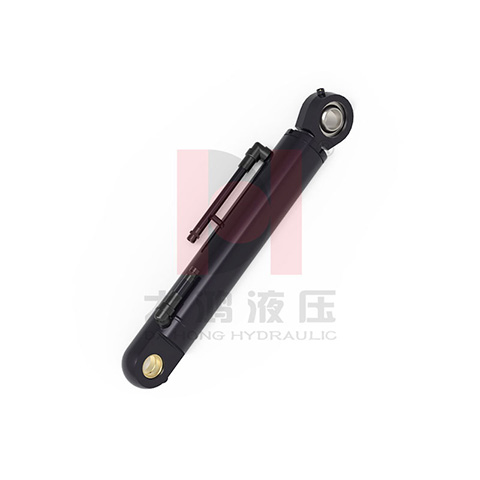
Hydraulic cylinders used in jumbo rigs operate under some of the most demanding conditions in the drilling and tunneling industry. High loads, continuous cycles, limited space, and harsh environments all place strict requirements on design and manufacturing. This article explains how hydraulic cylinders are engineered for jumbo rigs, focusing on practical engineering principles rather than marketing slogans.
Understanding the Working Conditions of Jumbo Rigs
Jumbo rigs are typically used for underground drilling, rock bolting, and tunnel excavation. Their hydraulic systems must handle:
High axial loads and impact forces
Frequent start-stop cycles
Dust, moisture, and abrasive particles
Confined installation spaces
In simple terms, these cylinders are expected to work hard, every day, without much room for error. That reality guides every engineering decision.
Structural Design Based on Load Requirements
The first step in cylinder engineering is load analysis. Engineers calculate:
Maximum operating pressure
Buckling resistance for long stroke cylinders
Safety factors based on real working loads
Cylinder tubes, piston rods, and end caps are sized accordingly. Instead of blindly increasing wall thickness, material strength and geometry are balanced to achieve durability without unnecessary weight. This is especially important for jumbo rigs, where space and machine balance matter.
Material Selection for Durability and Stability
Materials are selected based on performance, not hype. Common choices include:
Honed steel tubes with controlled surface roughness
High-strength alloy steel piston rods
Wear-resistant seal materials compatible with hydraulic oil
Surface treatments such as chrome plating or alternative coatings are applied to improve corrosion resistance and reduce friction. The goal is straightforward: stable performance over long service intervals.
Seal System Design for Harsh Environments
Seal failure is one of the most common causes of hydraulic cylinder downtime. For jumbo rigs, seal systems are engineered to:
Prevent dust and water ingress
Maintain sealing performance under pressure fluctuations
Reduce stick-slip during low-speed movements
This usually involves a combination of rod seals, buffer seals, guide rings, and wipers. Nothing fancy here—just proven sealing concepts applied correctly.
Precision Manufacturing and Quality Control
Even a good design can fail if manufacturing quality is inconsistent. Key manufacturing controls include:
Tight tolerances for tube roundness and straightness
Precision machining of rod and piston assemblies
Pressure testing before delivery
Think of this as the “boring but critical” part. It doesn’t sound exciting, but it’s what keeps cylinders working reliably underground.
Customization for Specific Jumbo Rig Models
Jumbo rigs vary by manufacturer and application. Hydraulic cylinders are often customized for:
Mounting dimensions
Stroke length and cushioning requirements
Port orientation and hose routing
This ensures proper integration with the rig’s hydraulic system. Simply put, a cylinder that fits well and works smoothly will always outperform a generic one.
Designed for Maintenance, Not Just Installation
Finally, engineering doesn’t stop at installation. Cylinders are designed with maintenance in mind:
Replaceable seals
Standardized components where possible
Clear service documentation
Because in real life, cylinders will be serviced—and making that easier saves time and cost in the long run.
Conclusion
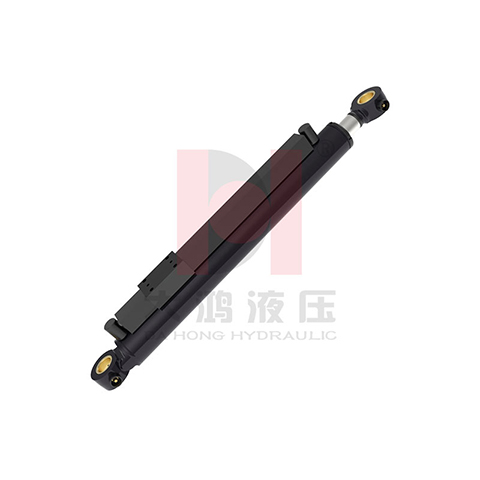
Hydraulic cylinders for jumbo rigs are engineered through careful load analysis, material selection, sealing design, and precision manufacturing. There’s no magic involved—just solid engineering and attention to real working conditions. Or to put it plainly: if the basics are done right, the cylinder will do its job, day after day, deep underground.
RELATED NEWS
2026-03-31
Why Is Predictive Maintenance Gaining Traction for Hydraulic Systems?
Predictive maintenance is rapidly gaining traction in the management of hydraulic systems due to its ability to reduce unplanned downtime, extend equipment life, and optimize operational efficiency. Hydraulic systems, which rely on pressuri···
2026-03-31
How to Improve the Efficiency of a Hydraulic System?
Improving the efficiency of a hydraulic system is essential for reducing energy consumption, lowering operational costs, and extending the lifespan of equipment. Hydraulic systems are widely used in industries like manufacturing, constructi···
2026-03-24
Why Is Heat Resistance Critical in Metallurgical Electric Furnace Hydraulic Cylinders?
Heat resistance is a critical property for hydraulic cylinders used in metallurgical electric furnaces. These cylinders are key components in controlling furnace doors, tilting mechanisms, and other heavy operations, often operating in envi···
2026-03-24
How Does a Metallurgical Electric Furnace Hydraulic Cylinder Handle High Heat?
In metallurgical processes, electric furnaces operate at extremely high temperatures, often exceeding 1,500°C. Hydraulic cylinders used in these furnaces play a critical role in controlling doors, tilting mechanisms, or other moving parts,···
2026-03-17
How Do Hydraulic Cylinders Improve Safety in Railway Equipment Operations?
Hydraulic cylinders play a crucial role in enhancing safety in railway equipment operations. These devices convert hydraulic energy into linear mechanical force, enabling precise and reliable movement of heavy railway machinery, such as tra···
2026-03-17
How to Maintain Hydraulic Cylinders for Railway Equipment?
Hydraulic cylinders are critical components in railway equipment, enabling smooth movement and heavy lifting in applications such as track maintenance machines, train doors, and suspension systems. Proper maintenance ensures safety, extends···

GET YOUR FREE QUOTE
We will contact you within 24 hours. ( WhatsApp/facebook:13665121168)