Welcome to WUXI DAHONG HYDRAULIC PNEUMENT CO.,LTD
WhatsApp: 13665121168 Email: shaominjiao@wxdahong.com


How Are Hydraulic Cylinders Used in Metallurgical Electric Furnaces?
Release Time :
2026-01-15
Metallurgical electric furnaces play a crucial role in modern steelmaking and non-ferrous metal smelting processes. These furnaces operate under extreme conditions, including high temperatures, heavy mechanical loads, and continuous operation cycles. To ensure precise control, safety, and operational efficiency, hydraulic cylinders are widely used as core actuating components in metallurgical electric furnaces.
This article provides a detailed overview of how hydraulic cylinders are used in metallurgical electric furnaces, their key applications, technical advantages, and performance requirements.
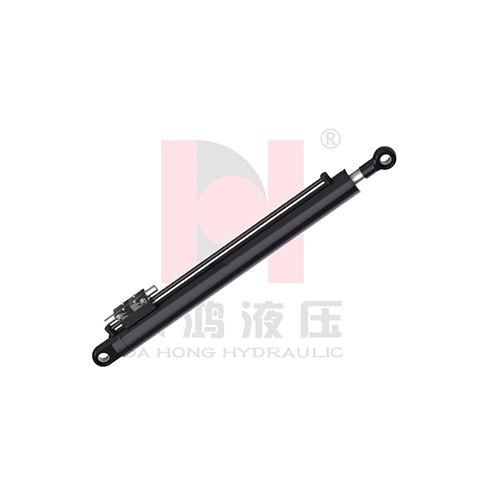
Overview of Metallurgical Electric Furnaces
Metallurgical electric furnaces include equipment such as:
Electric Arc Furnaces (EAF)
Submerged Arc Furnaces (SAF)
Induction Furnaces
Ladle Furnaces (LF)
These furnaces rely on electrical energy to generate heat for melting, refining, or alloying metals. Due to their large size and high operating loads, mechanical movements within the furnace system must be reliable, powerful, and precisely controlled.
Role of Hydraulic Cylinders in Metallurgical Electric Furnaces
Hydraulic cylinders convert hydraulic energy into linear mechanical force. In metallurgical electric furnaces, they are primarily used for heavy-duty motion control and positioning tasks that require high force and stability.
1. Furnace Tilting and Shell Movement
One of the most critical applications of hydraulic cylinders is furnace tilting.
Enables controlled pouring of molten metal
Ensures precise tilt angles to avoid spillage
Supports smooth and stable motion under extreme loads
Large-bore hydraulic cylinders provide the high thrust force needed to tilt furnace shells weighing hundreds of tons.
2. Electrode Lifting and Regulation Systems
In electric arc furnaces, electrode positioning is essential for maintaining arc stability.
Hydraulic cylinders are used to:
Raise and lower graphite electrodes
Adjust electrode pressure in real time
Respond quickly to arc fluctuations
Compared with mechanical systems, hydraulic actuation offers faster response speed and higher positioning accuracy, improving energy efficiency and electrode lifespan.
3. Furnace Door and Roof Opening Mechanisms
Hydraulic cylinders are widely applied in:
Furnace roof lifting
Furnace door opening and closing
Charging port actuation
These operations require reliable motion under high-temperature environments. Hydraulic systems allow remote and automated control, significantly improving operational safety.
4. Ladle and Tapping Equipment Operation
In metallurgical production lines, hydraulic cylinders assist in:
Ladle lifting and positioning
Tapping hole opening and closing
Slag door actuation
Their high load-bearing capacity ensures stable handling of molten metal containers and reduces the risk of mechanical failure.
Advantages of Hydraulic Cylinders in Metallurgical Furnaces
Hydraulic cylinders are preferred in metallurgical electric furnaces due to several technical advantages:
High Load Capacity
Hydraulic systems can generate extremely large forces, making them suitable for heavy furnace structures.
Precise Control
Flow and pressure control valves allow smooth, accurate movement and positioning.
Durability in Harsh Conditions
With proper sealing and material selection, hydraulic cylinders can operate reliably in high-temperature, dusty, and high-vibration environments.
Safety and Automation Compatibility
Hydraulic systems integrate easily with PLC and automation systems, enabling real-time monitoring and emergency protection.
Technical Requirements for Hydraulic Cylinders in Metallurgical Applications
Hydraulic cylinders used in metallurgical electric furnaces must meet strict technical standards:
High-temperature resistant seals
Heavy-duty cylinder tubes and piston rods
Anti-scale and anti-dust protection
Long service life under continuous operation
Compliance with industrial safety standards
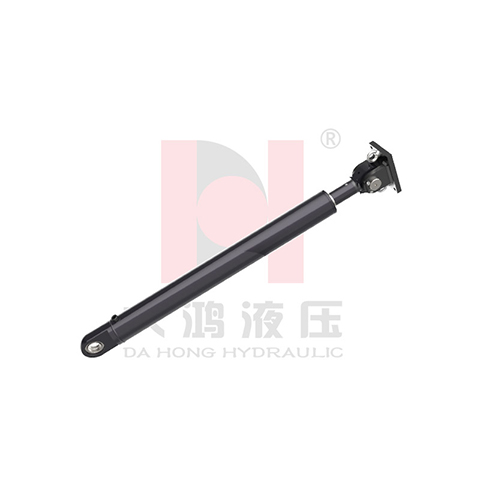
Custom-designed cylinders are often required to match specific furnace structures and operating conditions.
Conclusion
Hydraulic cylinders are indispensable components in metallurgical electric furnaces, enabling critical functions such as furnace tilting, electrode regulation, roof lifting, and ladle handling. Their high force output, precision control, and adaptability to harsh environments make them the preferred solution for modern metallurgical operations.
As metallurgical technology continues to advance toward automation and energy efficiency, the role of hydraulic cylinders in electric furnaces will remain vital and continue to evolve.
RELATED NEWS
2026-03-31
Why Is Predictive Maintenance Gaining Traction for Hydraulic Systems?
Predictive maintenance is rapidly gaining traction in the management of hydraulic systems due to its ability to reduce unplanned downtime, extend equipment life, and optimize operational efficiency. Hydraulic systems, which rely on pressuri···
2026-03-31
How to Improve the Efficiency of a Hydraulic System?
Improving the efficiency of a hydraulic system is essential for reducing energy consumption, lowering operational costs, and extending the lifespan of equipment. Hydraulic systems are widely used in industries like manufacturing, constructi···
2026-03-24
Why Is Heat Resistance Critical in Metallurgical Electric Furnace Hydraulic Cylinders?
Heat resistance is a critical property for hydraulic cylinders used in metallurgical electric furnaces. These cylinders are key components in controlling furnace doors, tilting mechanisms, and other heavy operations, often operating in envi···
2026-03-24
How Does a Metallurgical Electric Furnace Hydraulic Cylinder Handle High Heat?
In metallurgical processes, electric furnaces operate at extremely high temperatures, often exceeding 1,500°C. Hydraulic cylinders used in these furnaces play a critical role in controlling doors, tilting mechanisms, or other moving parts,···
2026-03-17
How Do Hydraulic Cylinders Improve Safety in Railway Equipment Operations?
Hydraulic cylinders play a crucial role in enhancing safety in railway equipment operations. These devices convert hydraulic energy into linear mechanical force, enabling precise and reliable movement of heavy railway machinery, such as tra···
2026-03-17
How to Maintain Hydraulic Cylinders for Railway Equipment?
Hydraulic cylinders are critical components in railway equipment, enabling smooth movement and heavy lifting in applications such as track maintenance machines, train doors, and suspension systems. Proper maintenance ensures safety, extends···

GET YOUR FREE QUOTE
We will contact you within 24 hours. ( WhatsApp/facebook:13665121168)